
BLS vs CPR: What's the Difference and Which Certification Do You Need?
One of the most common questions people ask before registering for a certification course is surprisingly simple.
"Do I need CPR certification or BLS certification?"
The confusion makes sense. Both courses teach lifesaving skills. Both involve CPR. Both focus on responding to emergencies when every second counts. Current CPR and BLS standards are based on evidence-based guidelines established by the American Heart Association, which continues to update recommendations as new research becomes available.
Yet they are designed for different people and different situations.
Understanding the difference can help you choose the right course, meet workplace or school requirements, and feel more confident about the training you're investing your time in.
Whether you're a nursing student preparing for clinicals, a teacher renewing credentials, a healthcare professional, or simply someone who wants to be prepared during an emergency, knowing the difference between CPR and BLS certification is an important first step.
Why People Often Confuse CPR and BLS
At first glance, CPR and BLS can sound like the same thing.
After all, both courses teach chest compressions, rescue breathing, AED use, and emergency response skills. Both focus on helping people during life-threatening situations such as cardiac arrest or respiratory emergencies.
The key difference is that Basic Life Support (BLS) includes CPR, but it goes beyond the basics.
Think of CPR as a foundational emergency response course, while BLS is designed specifically for healthcare providers and medical professionals who may be expected to respond as part of a team in clinical settings.
What Is CPR Certification?
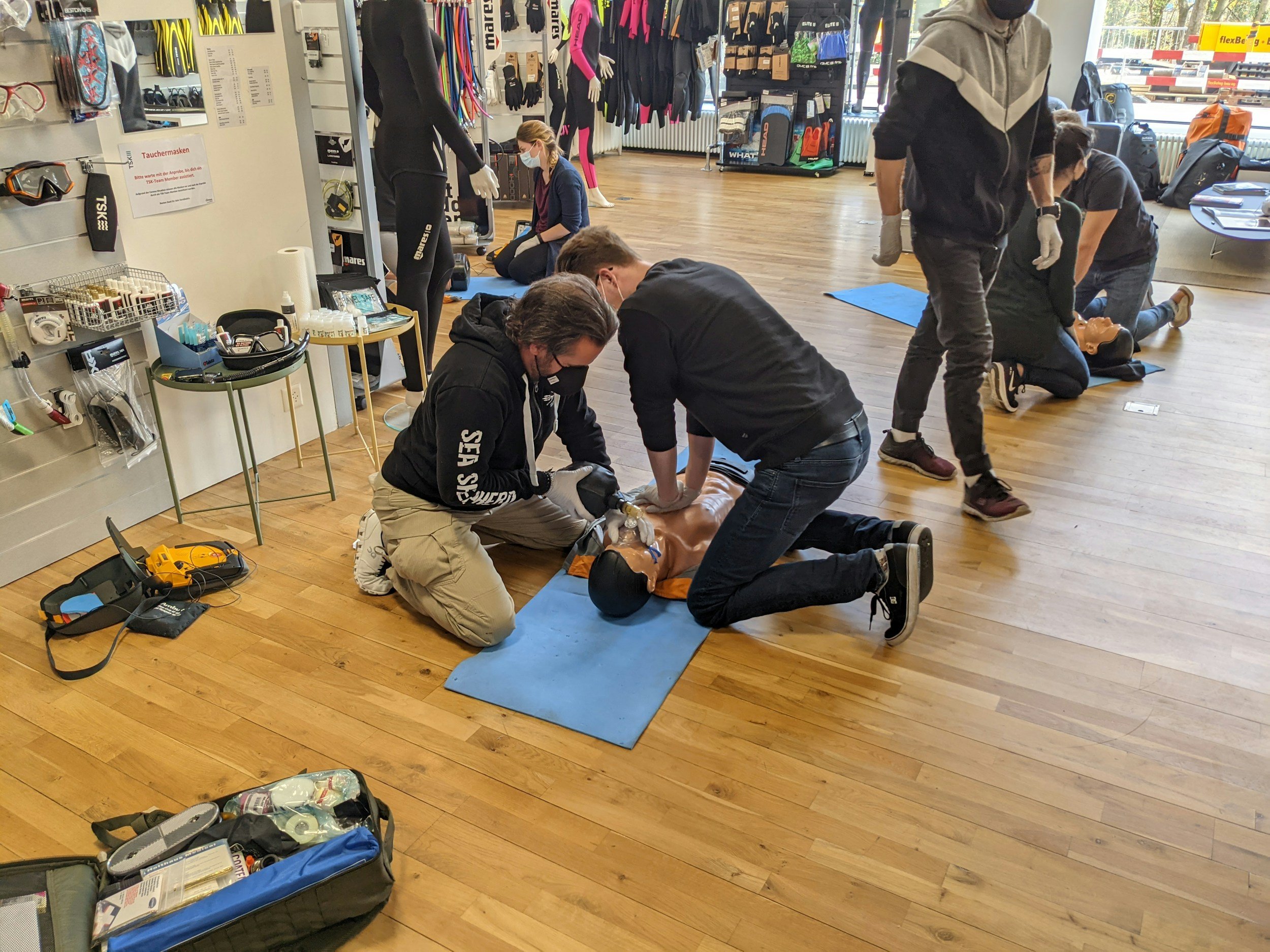
CPR certification teaches the essential skills needed to recognize and respond to cardiac and breathing emergencies.
The goal is simple: help someone maintain circulation and oxygen flow until emergency medical services arrive. Organizations such as the National Safety Council continue to emphasize the importance of CPR training because many cardiac emergencies occur outside of healthcare settings, where bystanders are often the first people able to provide assistance.
Most CPR courses include:
• Adult CPR
• Child CPR
• Infant CPR
• AED (Automated External Defibrillator) use
• Basic emergency response techniques
• Choking relief procedures
CPR certification is often recommended or required for:
• Teachers
• Coaches
• Childcare providers
• Fitness instructors
• Caregivers
• Workplace safety personnel
• Parents and guardians
• Community members interested in emergency preparedness
For many people, CPR certification provides valuable confidence and peace of mind, even if they never work in healthcare.
What Is BLS Certification?
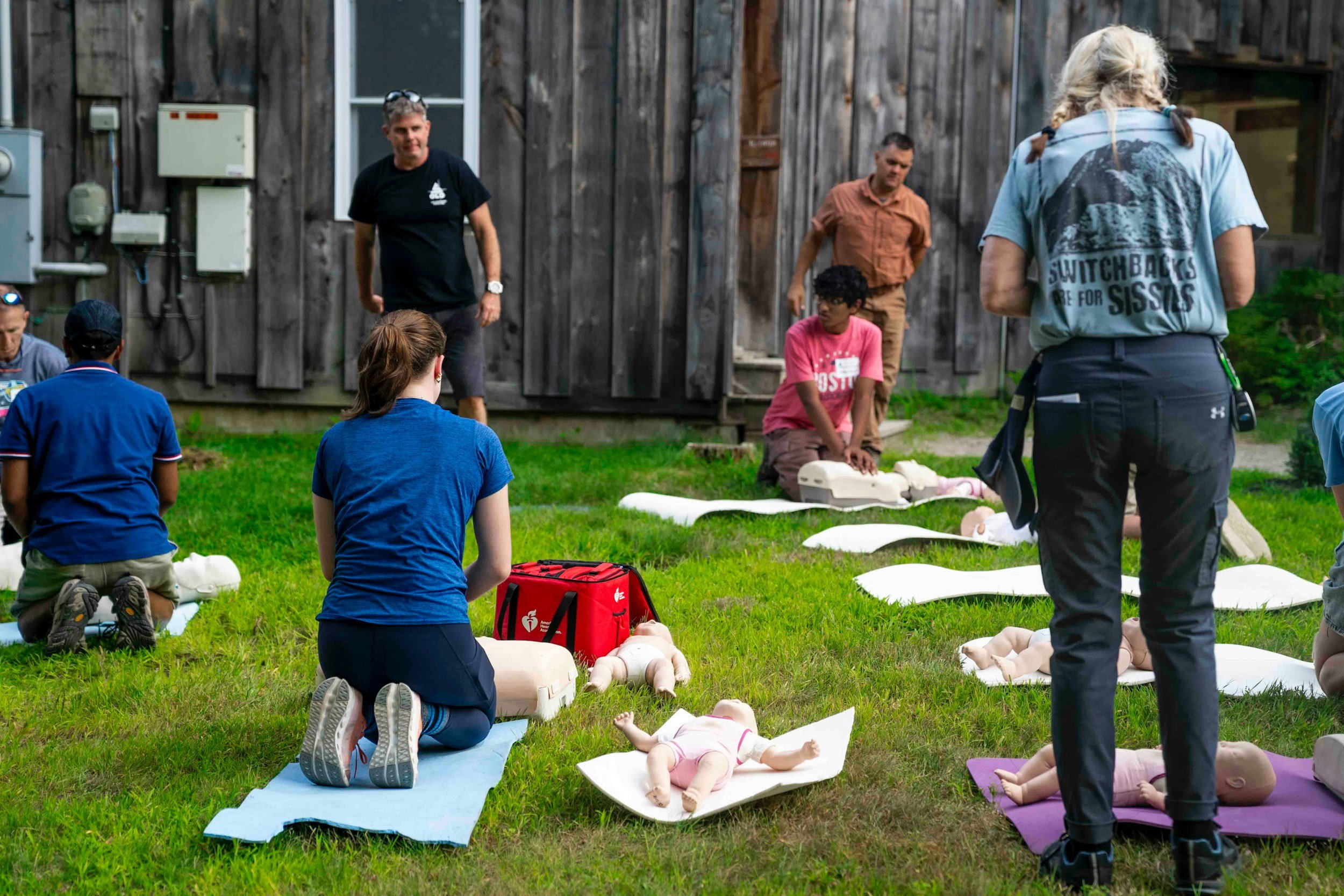
BLS stands for Basic Life Support.
While BLS includes CPR skills, it is specifically designed for healthcare professionals and those working in medical environments.
BLS training builds on standard CPR concepts by introducing more advanced emergency response techniques and team-based care.
A typical BLS course covers:
• High-quality CPR for adults, children, and infants
• AED operation
• Bag-mask ventilation
• Airway management concepts
• Team-based resuscitation techniques
• Emergency response coordination
• Healthcare-specific emergency scenarios
BLS certification is commonly required for:
• Nurses
• Nursing students
• Medical assistants
• EMTs and paramedics
• Dental professionals
• Physicians
• Healthcare technicians
• Hospital employees
• Clinical staff
Many healthcare licensing boards and healthcare employers throughout Arizona require BLS certification as part of ongoing professional credentialing and patient care preparedness standards. Because healthcare workers often respond alongside other providers, BLS training emphasizes communication, teamwork, and coordinated patient care.
BLS vs CPR: What's the Biggest Difference?
The easiest way to understand the difference is to look at who the course was designed for.
CPR certification focuses on helping everyday people respond confidently during emergencies.
BLS certification focuses on helping healthcare professionals respond effectively within medical environments.
While there is overlap between the two programs, BLS training typically includes more advanced skills and healthcare-specific scenarios.
CPR Certification
Designed for the general public
Covers essential lifesaving skills
Focuses on individual response
Common in schools, workplaces, and community settings
BLS Certification
Designed for healthcare providers
Includes CPR plus additional emergency response training
Focuses on team-based patient care
Common in hospitals, clinics, dental offices, and healthcare facilities
Which Certification Do You Need?
The answer usually depends on your profession, educational program, or workplace requirements.
If you're unsure, here are some common examples:
You May Need CPR Certification If You Are:
• A teacher
• A coach
• A childcare provider
• A fitness instructor
• A parent or caregiver
• An employee participating in workplace safety programs
You May Need BLS Certification If You Are:
• A nursing student
• A nurse
• A medical assistant
• A dental professional
• An EMT or paramedic
• A healthcare worker in a clinical setting
Most employers, schools, licensing boards, and healthcare programs will specify which certification is required.
If you're ever uncertain, it's always a good idea to confirm requirements before registering for a course.
Why Hands-On Training Matters
Regardless of which certification you choose, hands-on practice is one of the most valuable parts of the learning experience.
Reading about CPR is not the same as performing it.
Real emergencies can be stressful, fast-moving, and unpredictable. Having the opportunity to practice skills repeatedly helps build confidence and muscle memory before those skills are ever needed in the real world.
That's why quality training programs focus on practical learning experiences rather than simply preparing students to pass a written exam. Federal workplace safety organizations such as OSHA recognize the value of emergency preparedness training and encourage employers to provide appropriate emergency response education when workplace risks warrant it.
The goal isn't just certification.
The goal is helping people feel prepared to act when it matters most.
CPR and BLS Training Throughout Arizona
Healthcare workers, students, educators, and workplace teams throughout Arizona all have different certification needs.
LifeStat CPR provides CPR and BLS training throughout:
• Phoenix
• Mesa
• Tempe
• Scottsdale
• Chandler
• Gilbert
• Surrounding Arizona communities
Through flexible scheduling and hands-on instruction, students are able to complete certifications in an environment designed to support learning and confidence building.
Why These Skills Matter
Most people hope they never have to use CPR.
But emergencies don't arrive with a warning.
They happen at work, at school, during sporting events, in public places, and at home with the people we care about most.
Whether you're completing CPR certification for personal preparedness or BLS certification for your healthcare career, the knowledge you gain has the potential to make a meaningful difference during an emergency. Public health organizations and researchers continue studying cardiac arrest outcomes, emergency response systems, and bystander intervention. Resources published through the National Institutes of Health help reinforce the importance of rapid emergency care and early intervention.
That's why these courses continue to matter.
Not because they're required.
Because they help people feel prepared when someone needs help.
Frequently Asked Questions
Is BLS the same as CPR?
No. BLS includes CPR training but also covers additional skills designed for healthcare providers, including team-based emergency response and airway management concepts.
Do nurses need CPR or BLS certification?
Most nurses and healthcare professionals are required to maintain BLS certification rather than standard CPR certification.
Can anyone take a BLS course?
Yes. While BLS is primarily designed for healthcare providers, anyone can enroll in a BLS course.
Does LifeStat CPR offer both CPR and BLS certification?
Yes. LifeStat CPR provides both CPR and BLS certification programs throughout Arizona.
How do I know which certification I need?
Your employer, educational program, licensing board, or healthcare organization will typically specify which certification is required.
Train with LifeStat CPR
Choosing between CPR and BLS certification doesn't have to be complicated.
The most important thing is understanding your requirements and finding training that helps you feel confident using these skills in real-world situations.
Whether you're beginning a healthcare career, renewing an existing certification, or learning CPR for personal preparedness, LifeStat CPR provides hands-on, supportive training designed to help students build practical emergency response skills that last long after class is over.
(480) 330-8063
Teaching from the Heart
